Teacher Quote: Solving Problems You Didn't Know You Had
As a designer who spends more time staring at stitch maps than most people spend looking at their phones, I approach every new machine embroidery design with a healthy dose of skepticism. We've all been there: you download a cute graphic, load it onto your machine, and halfway through the stitching process, you realize the density is going to turn your soft cotton into cardboard, or the lettering is so fine it will vanish after the first wash. That is why I took a close look at the "Teacher a Person Who Helps You Solve Problems You d Never Have Without Them" design before committing it to a client project. This isn't just a quick scan of the preview image; this is an evaluation of how this specific Quotes category asset holds up when translated from a digital embroidery file into a tangible, wearable handmade product.
The Visual Personality and Layout Logic
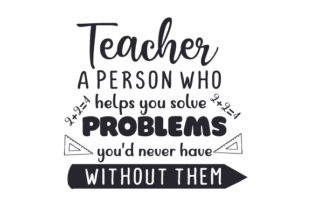
My first impression of this design is that it leans heavily into the sentimental yet witty side of the teaching profession. The phrase itself is a classic teacher appreciation trope, but its length presents immediate challenges for any embroiderer. Visually, the layout feels like it demands a horizontal orientation. When evaluating the shape and theme, I noticed that the text likely relies on a mix of script and sans-serif fonts to create visual interest. In the world of Crafts, balance is everything. If the script portion is too loopy without adequate underlay, it risks looking messy on textured fabrics. Conversely, if the block letters are too bold, the design becomes top-heavy.
The mood this design creates is warm and appreciative, making it a natural fit for end-of-year gifts, Teacher Appreciation Week, or back-to-school boutique items. However, the visual personality depends entirely on execution. A design like this lives or dies by its kerning and line spacing. In my initial assessment, I looked for potential collision points where ascenders and descenders might overlap, which is a common issue in long textual phrases. For a professional result, the negative space between lines needs to be generous enough to allow for thread buildup without the rows merging into a solid block of color.
Real-World Application: The Tote Bag Scenario
To truly test the viability of this asset, I imagined a specific real-life scenario: a custom order for a local school PTA needing thirty embroidered tote bags for faculty gifts. This is a high-stakes environment where consistency and durability are paramount. Using this design on a canvas tote bag design makes sense because the fabric is stable and can handle higher stitch density. The flat surface of a tote allows the full width of the phrase to breathe, ensuring that the "Solve Problems" punchline doesn't get lost in the seams.
However, if I were pivoting this same embroidery file to a sweatshirt embroidery project for a cozy teacher lounge gift, the strategy would change. Sweatshirts often have a fleece backing or a textured loop interior. Stitching a long sentence like this on a thick garment requires careful consideration of the stabilizer. Without a robust cut-away stabilizer, the weight of the text could cause the fabric to pucker, distorting the message. In this context, the design works best if the digitizer has optimized the pull compensation. If the stitches pull too hard horizontally, the word "Teacher" might look skewed, undermining the professionalism of the finished product.
Navigating Fabric Textures and Hoop Limitations
One of the critical areas where this design requires caution is regarding hoop size and fabric limitations. Because the phrase is lengthy, it likely requires a large hoop, such as a 5x7 or even a 6x10, depending on the font size chosen by the user. Trying to shrink this design to fit a 4x4 hoop for a baby onesie or a pocket logo is a recipe for disaster. The tiny lettering required to make it fit would result in a running stitch or fine satin stitch that simply cannot hold up on stretchy knit fabrics. For baby embroidery, I would advise against using this specific long-form quote unless you are placing it across the entire back of the garment.
Furthermore, curved surfaces like caps present a unique challenge. While a custom apparel item like a hat is a popular seller for Etsy sellers, stitching a long horizontal sentence on a curved crown can lead to registration issues. The needle might struggle to maintain consistent tension as it moves across the curve, potentially causing the text to arc unintentionally. If you are creating an embroidered patch to sew onto a cap later, that is a much safer bet. It allows you to stitch the design on a flat, stable piece of twill, cut it out, and then apply it, bypassing the difficulties of sewing directly onto a structured hat.
Commercial Viability and Brand Consistency
For those running a craft business or operating as a small shop product creator, the commercial potential of this design is significant, provided the quality control is there. Teachers are a loyal demographic, and personalized gifts that acknowledge their specific impact—like solving problems parents didn't know existed—resonate deeply. This design enhances brand consistency if your shop specializes in witty, text-based goods. However, buyer engagement hinges on clarity. If the thread colors chosen do not offer enough contrast against the fabric background, the message gets lost. I always recommend testing this design in black and white mockups first to ensure the value contrast is strong enough to be readable from a distance.
When considering this for commercial embroidery projects, think about the thread colors. A monochromatic look might feel sophisticated for a boutique brand, but a pop of color in the word "Teacher" or "Problems" could add the playful touch needed for a holiday gift or school spirit item. Just remember that every color change adds production time. If you are fulfilling bulk orders for a school district, minimizing color stops while maintaining visual appeal is key to maintaining your profit margins.
Practical Notes for the Serious Embroiderer
Before you commit this design to a final embroidery project, here are my professional recommendations based on years of trial and error:
- Test on Scrap First: Always stitch a sample on the exact same fabric weight and type you intend to use for the final product. This reveals issues with puckering or density before you ruin expensive inventory.
- Check Stabilizer Compatibility: For woven fabrics like aprons or pillow covers, a tear-away might suffice. However, for knits like t-shirts or sweatshirts, a cut-away stabilizer is non-negotiable to prevent distortion over time.
- Inspect Small Details: Zoom in on the digital file. Look for traveling stitches between words that might need to be trimmed manually. Long jumps can snag and ruin the clean look of the text.
- Verify Licensing: Since this is a design asset available in formats like SVG, PNG, EPS, and DXF, confirm the license terms. Some files are for personal use only, while others allow unlimited commercial sales of finished physical goods. Never assume; always read the terms before listing items on Etsy or at craft fairs.
- Consider the Audience: While great for teachers, consider if this fits your specific niche. Does it align with your shop's aesthetic? If you sell minimalist decor, a busy text design might clash. If you sell whimsical gifts, it's a perfect match.
In conclusion, the "Teacher a Person Who Helps You Solve Problems You d Never Have Without Them" design is a potent tool for the right project. It carries emotional weight and commercial promise, but it demands respect for the technical limitations of embroidery. Whether you are creating a personalized gift for a favorite educator or stocking your online store with holiday embroidery items, success lies in the preparation. By choosing the right fabric, respecting the hoop size limits, and understanding the stitch behavior, you can transform this digital file into a cherished keepsake that truly honors the profession. Treat the design not just as an image, but as a structural element of your product, and it will serve you well in the competitive marketplace of handmade goods.