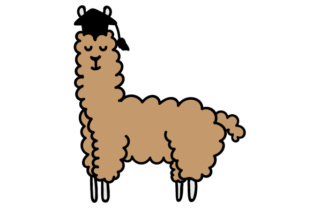
Class of 2018: A Designer's Take on Graduation Embroidery
When I first pulled up the Class of 2018 file on my screen, my immediate reaction wasn't just about the year itself, but about the timeless utility of graduation-themed assets. As a designer who spends hours digitizing and reviewing files for real-world application, I look past the novelty of a specific date and focus on structure, stitch flow, and how a design translates from a digital preview to a tangible, stitched product. This particular asset, categorized under School Amp and broadly within Crafts, offers a solid foundation for anyone looking to create commemorative items, whether for a personal keepsake or a small batch run for a local boutique.
The visual personality of this design feels clean and celebratory without being overly cluttered. In the world of machine embroidery, simplicity often wins, especially when dealing with text-heavy themes like graduation years. The layout suggests a balanced approach, likely utilizing a mix of satin stitch for bold outlines or lettering and fill stitch for any graphical elements like caps or diplomas that might accompany the text. This combination is crucial because it dictates how the light plays off the finished product. A design that relies too heavily on dense fill can look stiff on soft fabrics, while one that is too sparse might lack the premium feel customers expect from a personalized gift.
Real-World Application: The Custom Tote Bag Scenario
To truly evaluate the Class of 2018 design, I imagined a specific project scenario that many Etsy sellers and craft business owners face every spring: the custom graduation tote bag. Picture a canvas tote in a neutral cream or navy blue. You want to offer these as end-of-year gifts for seniors or as merchandise for a high school senior class party. Placing this design centrally on the bag creates an instant focal point.
In this context, the design's clarity is paramount. If the lettering is too thin or the spacing too tight, the threads can merge during stitching, turning "2018" into an unreadable blob. Assuming the file is well-digitized, the satin columns should lay flat against the canvas texture, providing a smooth, professional finish. For a sweatshirt embroidery project, the same design would need to breathe a bit more to accommodate the loopback texture of the fleece. Here, the Class of 2018 motif shines because it is generally versatile enough to scale up for a back-piece on a hoodie or scale down for a left-chest logo on a polo shirt.
For those running a small shop product line, the versatility extends to nursery decor as well. A framed embroidered hoop featuring the graduation year alongside a baby's name makes for a sentimental heirloom. The design acts as a anchor for the composition, grounding the piece in a specific moment in time. Whether used for holiday embroidery gifts or general celebration, the emotional resonance of a graduation year adds significant value to the handmade product.
Navigating Fabric Challenges and Stitch Density
However, no design is universal without some cautionary notes. When working with the Class of 2018 file, attention must be paid to the substrate. If you are stitching on stretchy fabric, such as a jersey knit t-shirt, the stability of the design becomes critical. High stitch density in certain areas can cause the fabric to pucker or distort, ruining the clean lines of the year. It is always advisable to test the design on scrap fabric first. This simple step saves material and reputation.
Textured fabrics present another variable. On a waffle-knit towel or a rough linen apron, fine details might get lost. If the design includes intricate corners or tiny decorative accents, these could disappear into the weave of the fabric. In such cases, adjusting the pull compensation or choosing a heavier weight thread can help maintain definition. Furthermore, curved surfaces like caps require a different approach. Stitching a linear design like a graduation year on a curved bill or front panel of a hat demands precise hooping and potentially a different underlay strategy to prevent shifting.
Dark fabrics also require strategic thinking. If the Class of 2018 design relies on dark thread colors, it will vanish on a black sweatshirt. Conversely, using bright metallic or contrasting thread colors on dark backgrounds can make the design pop, but it also highlights any imperfections in the stitching. Always check thread color contrast before committing to the final run. Testing the design in black and white mockups can also reveal if the tonal values hold up without the distraction of color.
Commercial Viability and Brand Consistency
For commercial embroidery projects and digital product sellers, the consistency of the output is directly tied to brand trust. A sloppy graduation emblem suggests a lack of care, whereas a crisp, well-executed Class of 2018 patch or applique design signals professionalism. This design asset supports brand consistency by offering a standard look that can be replicated across various items—from pillow covers to tea towels—ensuring that every piece in a collection feels cohesive.
Buyer engagement often hinges on the perceived quality of the personalization. When a customer sees their specific year rendered beautifully in thread, it transforms a generic item into a bespoke treasure. This is particularly true for wedding gifts where a couple might celebrate their graduation year together, or for alumni events. The ability to quickly deploy a reliable file like this allows makers to respond to trends and seasonal demands efficiently.
Essential Designer Notes for Execution
Before launching into production with this file, keep these practical considerations in mind:
- Stabilizer Selection: Match your stabilizer to the fabric weight. Cut-away stabilizer is often best for stretchy garments to prevent long-term distortion, while tear-away works well for stable woven fabrics like tote bags.
- Hoop Size Verification: Confirm that the design fits within your available hoop size. While the file formats provided (SVG, PNG, EPS, DXF) suggest vector scalability for cutting machines, ensure the embroidery version matches your machine's capabilities.
- License Confirmation: Always review the licensing terms. Just because a file is available for purchase does not automatically grant unlimited commercial rights. Verify if you can sell finished physical items or if there are restrictions on digital redistribution.
- Detail Inspection: Zoom in on the digital file. Look for potential jump stitches that might need trimming or areas where the stitch direction might conflict with the fabric grain.
- Thread Management: Plan your thread colors in advance. Having a standardized palette for your Class of 2018 products can streamline your workflow and reduce waste.
Ultimately, the Class of 2018 design is a functional tool in the creator's arsenal. It bridges the gap between digital convenience and tactile artistry. By understanding its strengths and respecting its limitations regarding fabric choice and stitch density, designers can produce high-quality, memorable items that stand the test of time. Whether you are a hobbyist making a gift for a nephew or an apparel decorator fulfilling a bulk order for a school, this design offers a reliable path to a polished finished product.